


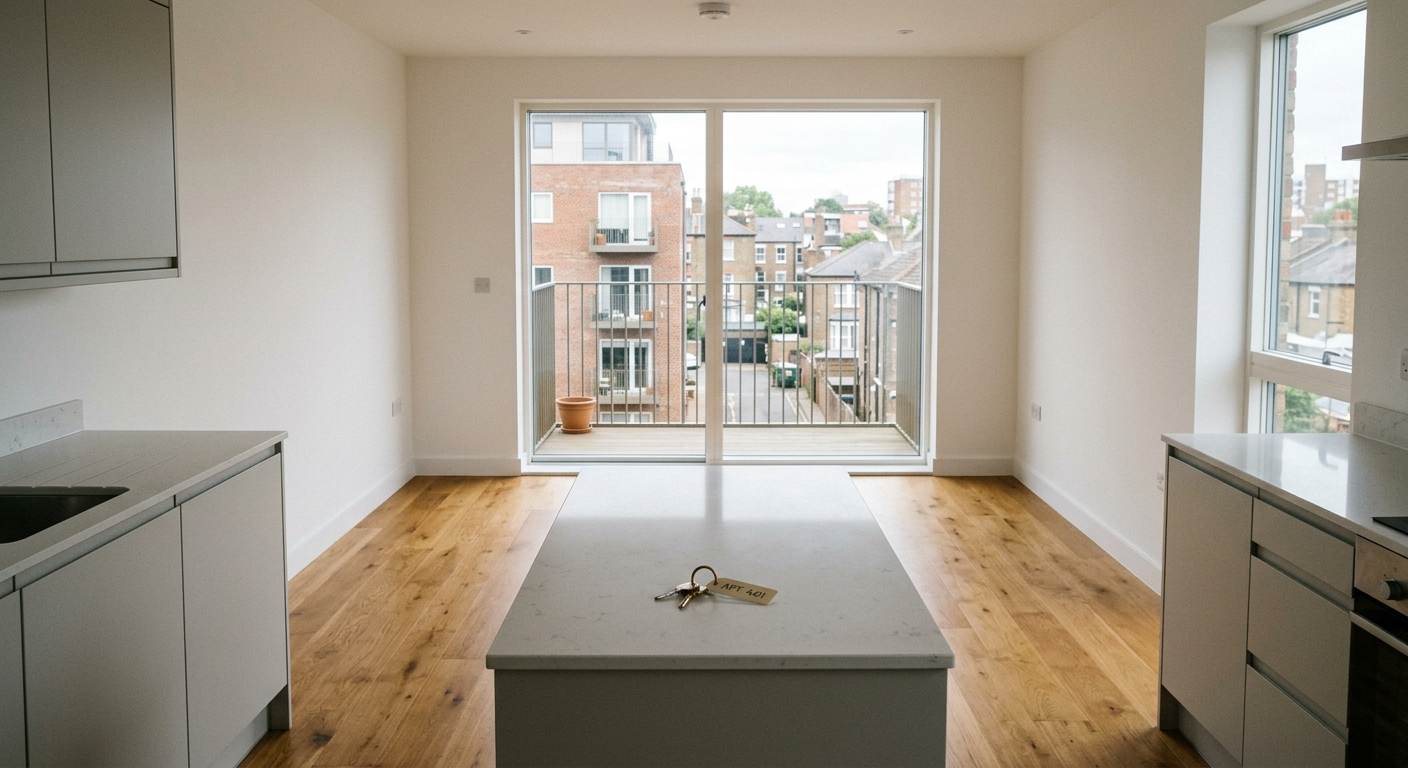
Strata Property Valuation for CGT When Renting Out Your Unit
You moved out of your unit, rented it out, and now you’re wondering whether you’ll need a strata property valuation when you eventually sell. Maybe your accountant mentioned a “cost base” or a “market value at the date of change,” and you’re not sure what any of it means for your tax bill. An independent market valuation isn’t always necessary, but it can help support the figure used to calculate your gain if part of the sale is subject to capital gains tax. Here’s how it works and when a formal valuation is worth getting.
Strata Property Valuation and CGT: The Short Version
- If you moved out and rented your unit, you may keep the main residence exemption for up to six years, but only if you don’t treat another property as your main residence in that time.
- After six years, or if the exemption only applied for part of your ownership, part of the gain is taxable.
- The market value of the unit on the date you first rented it out often becomes the cost base for the taxable part of the gain.
- A strata property valuation is not legally required in every case, but it’s the strongest evidence you can have for that value.
- Keep your records for at least five years after disposing of the unit, and longer if later CGT events or carried-forward losses require them.
Why a Strata Property Valuation Matters When You Rent Out Your Unit
Most people assume capital gains tax only applies when they sell. That’s partly true, but when you change a home into a rental, the tax system effectively sets a starting point for the future gain. That starting point is the question.
If you bought the unit for $500,000 and sold it for $800,000 years later, the gain isn’t simply $300,000 if you rented it out for part of that time. The ATO works out how much of the gain relates to your home use and how much relates to the rental period, and it needs a reliable figure for what the unit was worth when it stopped being your home.
That’s where a retrospective valuation becomes useful. Years after the change, you’ll need to show what the unit was worth on a specific date, and memory and old advertisements don’t always stand up well.
How the Six-Year Rule Affects Your Main Residence Exemption
The main residence exemption is one of the most valuable concessions in the CGT system. It generally means you pay no CGT on the home you lived in. When you move out and rent it, the exemption doesn’t just disappear.
What the six-year rule actually says
If the unit was your main residence before you moved out, and you rent it out rather than sell it, you may be able to keep treating it as your main residence for CGT purposes for up to six years. To do this, you must not nominate another property as your main residence during that time. You can usually only choose one home as your main residence at any given time, so if you buy a new place and move in, the six-year clock is effectively ended for the rented unit.
What happens after six years
If you rent the unit for longer than six years before selling, the exemption is generally reduced. The gain is split between the period it was your home and the period it was a rental, so part of the gain becomes taxable.
Here’s a hypothetical example. Say you lived in a unit for four years, then rented it out for eight years before selling. The first four years of ownership are covered by the main residence exemption, but the rental years beyond the six-year window generally aren’t. A valuation at the date you moved out helps work out the non-exempt portion, along with the rest of the cost base details.
Why Market Value on the Day You Start Renting Matters
This is where most of the confusion sits. If you first used the unit to produce rental income after 20 August 1991, the cost base for the non-exempt part of your gain is generally the unit’s market value on the date you first rented it out. Not what you paid for it.
How the cost base resets
Your cost base is the amount the ATO uses as the starting figure when working out your gain. For a unit that you moved out of and rented, that starting figure is often the market value on the date you started renting, rather than the original purchase price plus costs.
Keep in mind that other factors also reduce your cost base over time, such as deductions for capital works (like the building’s structure) and depreciation claimed on fixtures and fittings. Your accountant will track these, but they all sit alongside the market value figure.
Where a unit’s market value gets tricky
Valuing a house on a single block is one thing. Valuing a unit is different, because its value depends on more than its floor area and position:
- Comparable sales in the same building or complex. Units are usually valued against recent sales within the same block, so a valuer needs to know what was selling at that time.
- Floor level, outlook, aspect and noise. A top-floor north-facing unit and a ground-floor unit near a main road can be worth quite different amounts, even in the same building.
- Parking, storage and any exclusive-use areas. These can add to or detract from value depending on the building.
- Body corporate levies and special levies. Regular levies and any special levies for building works affect what buyers are willing to pay.
- Building condition and defects. Maintenance history, cladding or structural issues, and the state of the common property all influence value.
- Strata plan and by-laws. Restrictions on pets, short-term letting or renovations can also be relevant.
Unit entitlements can influence how strata levies are calculated and, depending on the state, voting rights. However, they don’t necessarily reflect a unit’s current market value. A valuer needs to look at the evidence around the unit rather than assuming the entitlement reflects its price.
Do You Actually Need a Formal Strata Property Valuation?
There’s no blanket rule that says every rental unit needs a formal valuation. What matters is whether you can support the figure you use. If the ATO asks you to justify the market value on the change-of-use date, you’ll need evidence, and a valuation prepared for that purpose is among the strongest evidence available.
Situations where a formal valuation is worth paying for
- The gain is likely to be significant, so the cost base figure will have a real effect on your tax.
- Only part of the gain is exempt, and the split between exempt and taxable periods needs to be worked out carefully.
- Comparable sales are thin, for example in a small building with few recent sales.
- The unit has unusual features, defects or building issues that a buyer or the ATO might ask about.
- You’re dealing with a deceased estate, a family trust or a marriage breakdown, where the valuation may also be needed for other purposes.
Evidence you should keep regardless
Even if you decide a formal valuation isn’t needed, keep records that support your figures. This includes your purchase contract and settlement documents, records of when you moved out and when you started renting, your rental agreements and the income you declared, records of capital works and depreciation claims, and any recent sales or appraisals of the unit around the change-of-use date.
Common Mistakes Owners Make
- Assuming the purchase price is the cost base. Once the unit is rented, the market value at the change-of-use date often matters more.
- Forgetting to track the six-year window. Missing the date when a rental passes six years can cost you the exemption you were relying on.
- Nominating a second main residence without thinking it through. This can end the six-year rule for the rented unit.
- Relying on an online estimate. Automated figures don’t account for the unit’s specific features or the market at that date.
- Throwing out the paperwork too early. Records are needed well after the sale.
State and Territory Differences to Keep in Mind
Capital gains tax is a federal matter, so the core rules are the same across Australia. Other costs and obligations around owning and renting out a unit do vary by state or territory, including land tax, stamp duty on any future purchases, and rules for rental bonds and tenancy. Land tax in particular can differ depending on whether you own the unit in your own name, and whether it’s treated as your home or a rental. Check with your state revenue office or a registered tax agent for the details that apply where you live.
Frequently Asked Questions
Do I always need a strata property valuation when I rent out my unit?
No. A valuation isn’t legally required in every case. It becomes more important when the gain is significant, the exemption only partly applies, or you need strong evidence of the market value on the date you started renting.
Can I use an online estimate instead of a formal valuation?
Online estimates can give you a rough idea, but they generally don’t reflect the unit’s specific features or the market at a past date. If the figure is going to be used for tax purposes, a formal valuation prepared for that date is far more defensible.
What if I bought my unit before 20 September 1985?
Assets acquired before 20 September 1985 are generally outside the CGT regime, which changes how the gain is calculated. Your accountant can confirm how the rules apply to your purchase date and circumstances.
How long do I need to keep records for a rental unit?
Generally, you should keep records for at least five years after you lodge the tax return that reports the sale. Keeping them longer is sensible if you’re not sure how the figures will be checked.
Does a strata property valuation cost much?
The cost varies depending on the unit, the building, the date being valued and how much evidence needs to be gathered. Getting a couple of quotes and asking what the report will cover is a sensible first step.
Final Thoughts on Strata Property Valuation for CGT
When you rent out a unit, the market value on the day you start renting often becomes the starting point for your future capital gain, and the six-year rule determines how much of your home-use period stays exempt. A strata property valuation isn’t always required, but it’s the most reliable way to support the figure when the amounts are significant or the evidence is thin. Keep your records and check the rules with your accountant before you sell.
If you’re working out what your unit was worth on the day you started renting, Local Property Valuers can talk through whether a formal strata valuation is worth it for your situation. Call Local Property Valuers on +61 438 080 786 to discuss what you need and what the report will cover.